What if We Leave a Little Space
It’s easy to fill everything.
A table, a schedule, a plan, a conversation. There’s usually something that could be added, another detail that could be addressed. Full can feel reassuring. It suggests care, attention, generosity. It fills in the spaces occupied by fear or self-doubt.
But if you pause for a beat, you’ll notice that the most comfortable spaces rarely use every inch available to them.
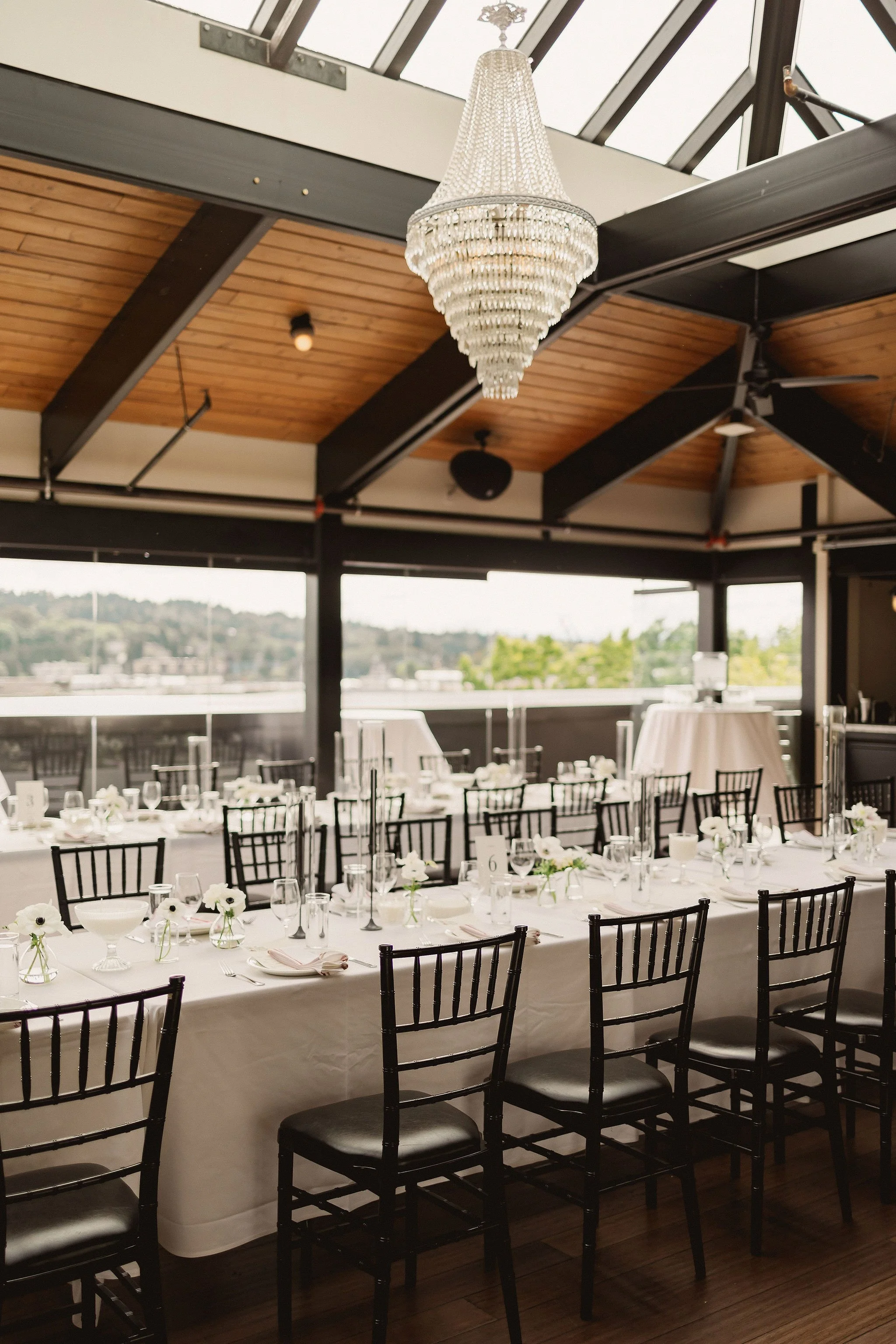
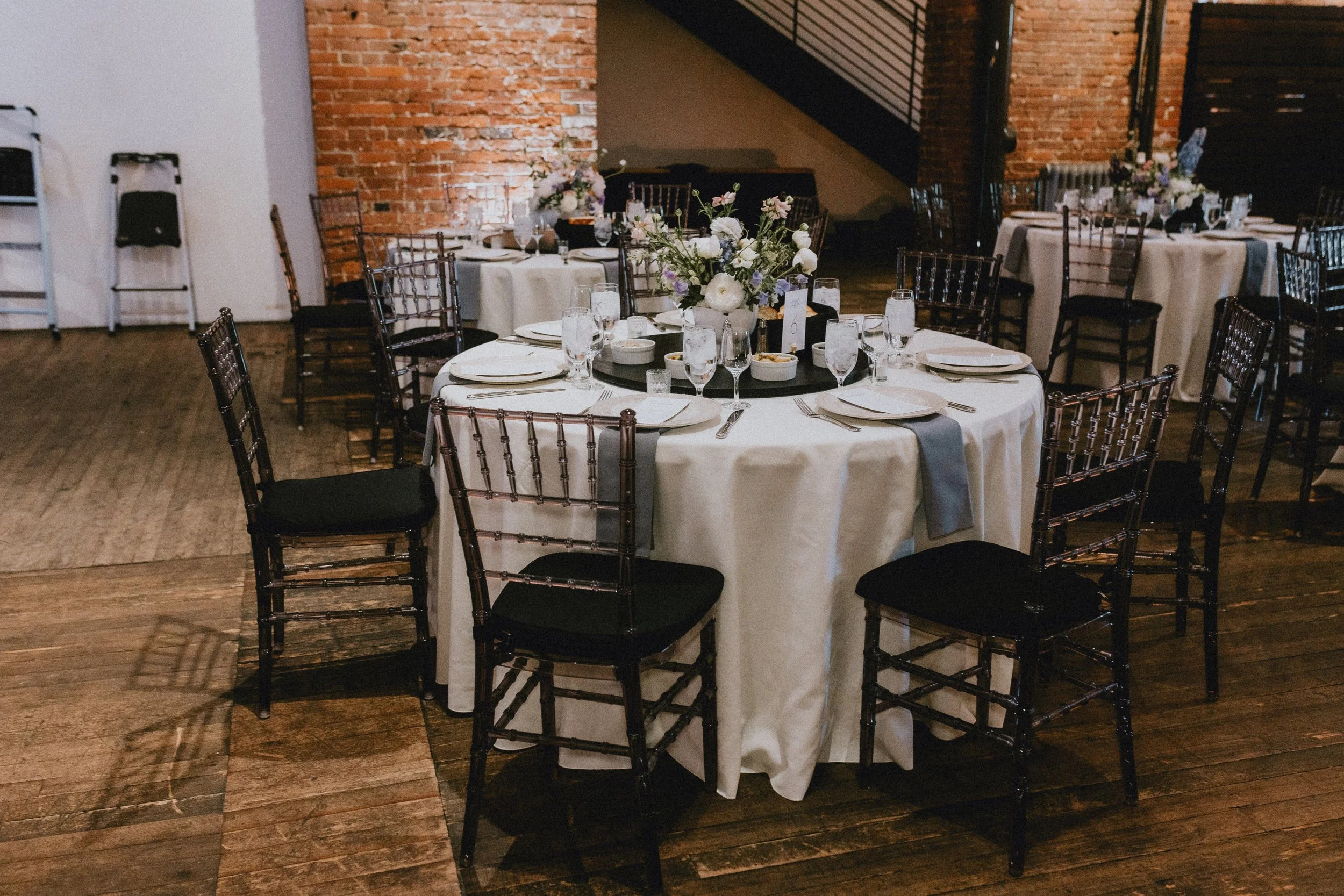
When there’s a little room on a table, in a palette, in the timing of an event, people tend to settle in differently. Breathe a little more easily. Conversations slow. Movement feels less directed. Interaction feels organic. Nothing is asking to be managed.
In floral work, this often shows up at the edges. An arrangement that doesn’t reach for every surface. A table that isn’t completely filled. Space left intentionally open, not because something was forgotten, but because it wasn’t needed.
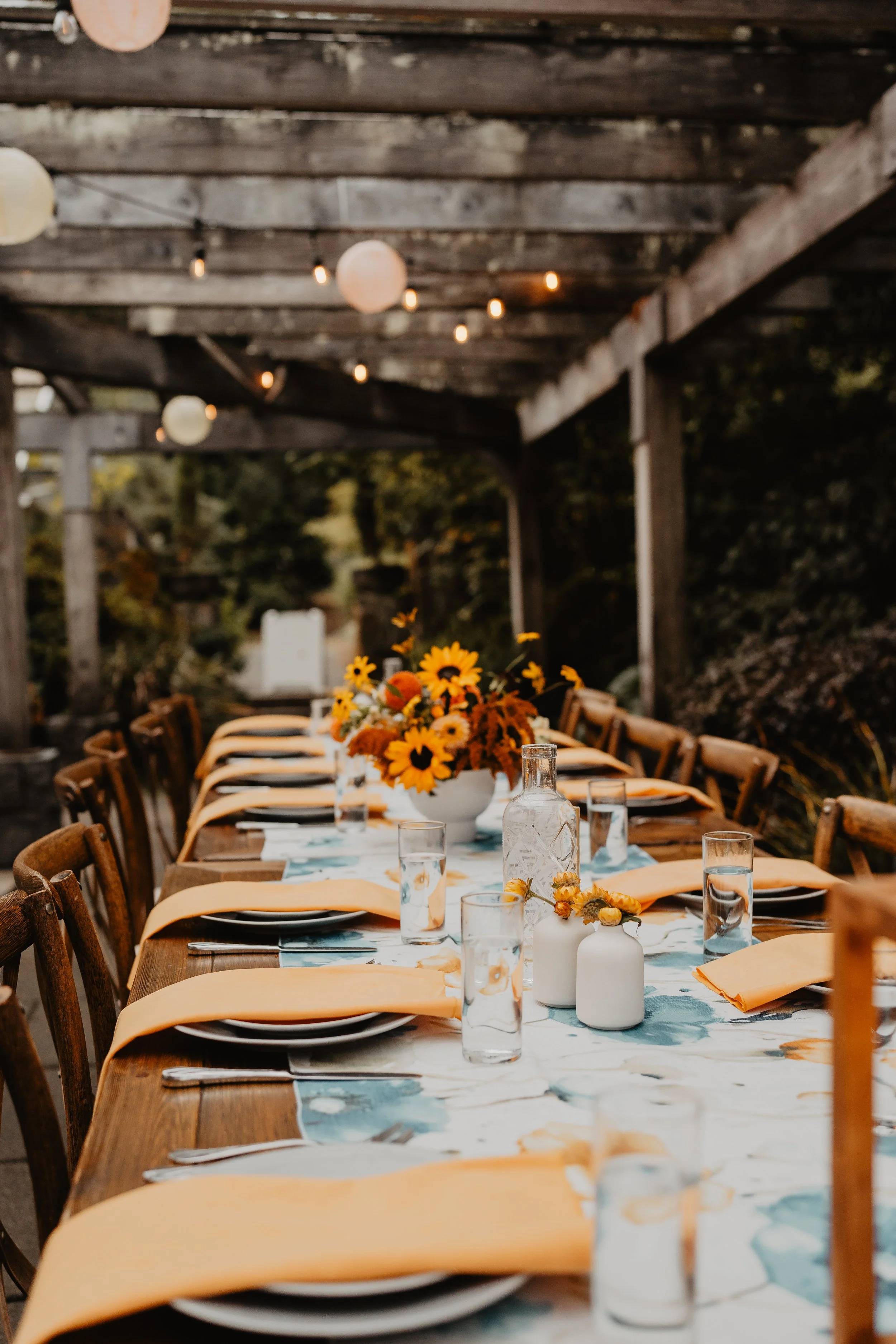
Those choices don’t announce themselves. They aren’t meant to. But they shape how a room is experienced. They allow architecture, light, and people to do some of the work.
Leaving space requires a different kind of confidence. It requires some belief that what’s already there is enough. When space is left, attention shifts. There’s less to navigate, and more with which to be present.
This isn’t about minimalism, or rules, or aesthetic. It’s about balance. Even the most maximalist design can achieve a sense of pacing and breath.
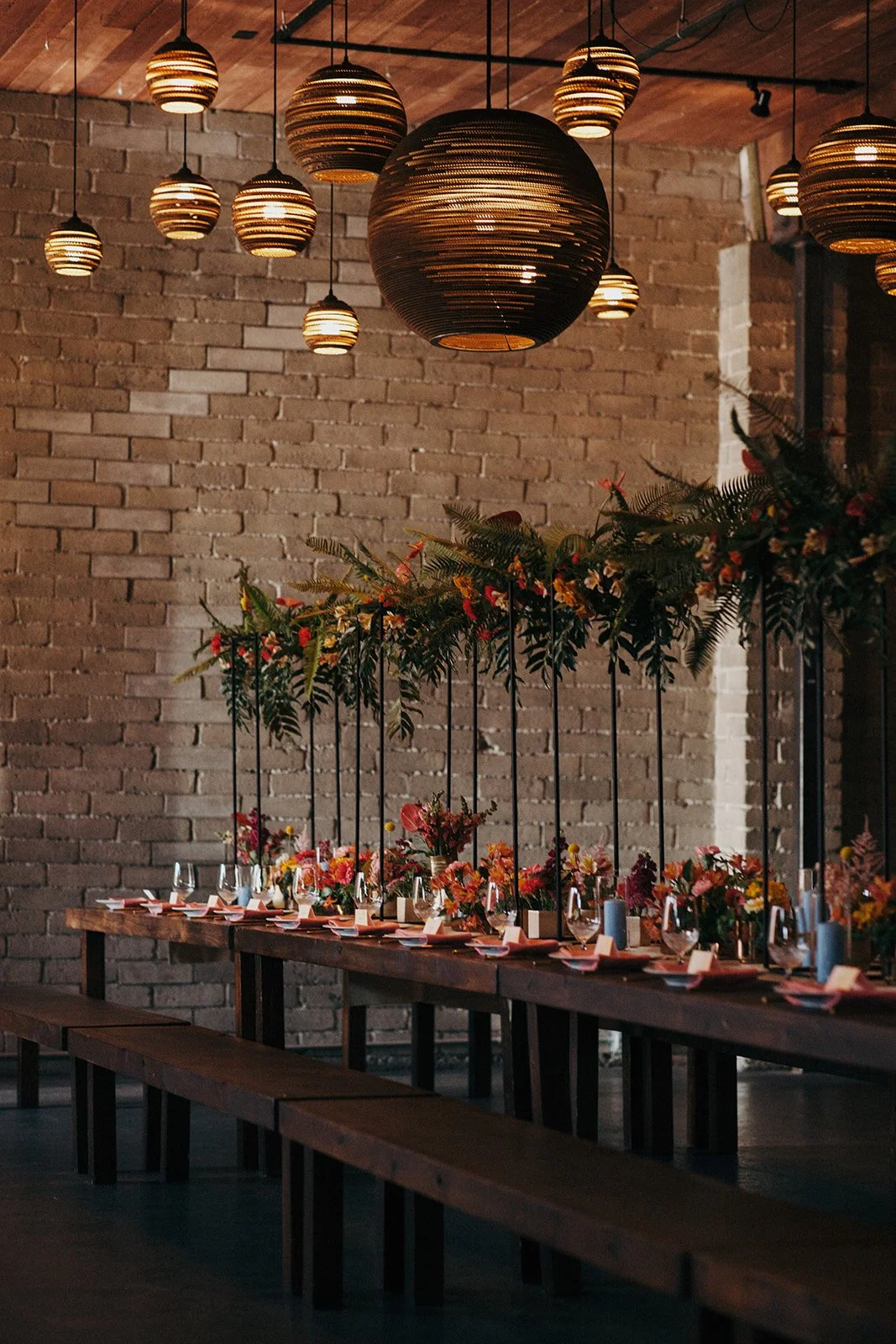
I was just told by a guest at an event that I designed that while the event had been designed to center around the person we were celebrating, the guest felt like at every turn, their experience and comfort had been considered.
It’s the biggest compliment I think I’ve ever been given about an event in decades of designing them.
It all comes down to this: Leave some space for the human experience.